calabria · viaggi.alexfreenet.com
  1. Travel
  2. Italy
  3. Calabria
  4. Water sports
Water sports in Calabria · 7 spots

On the water in Calabria: two seas, gorges and the rivers of the Pollino

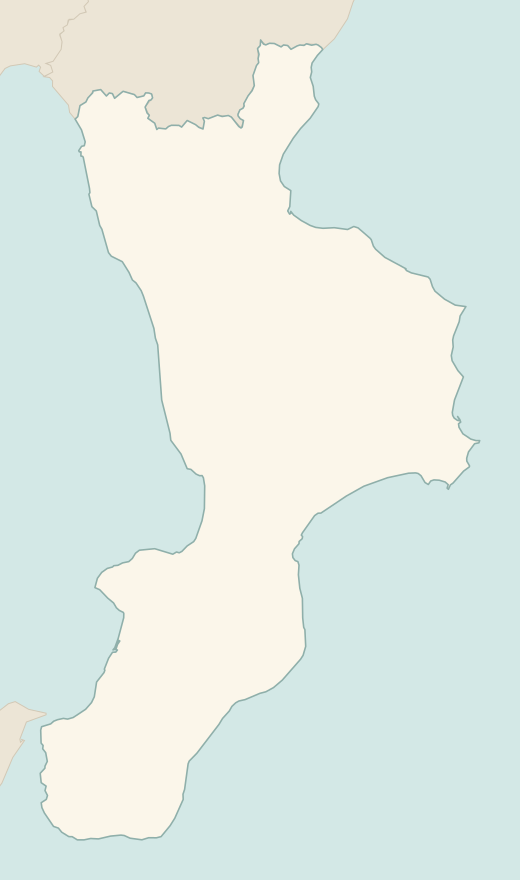
Calabria has more than 700 kilometres of coast on two seas, with marine protected areas, caves and the Strait of Messina, and inland the most spectacular gorges in the Apennines, for rafting and canyoning. Here you will find the best spots for each activity, with the right wind, the level required and the rules of the marine protected areas.

The spots

Where to go, one by one

For each spot: level, best time and the winds that make it calm or best avoided.

1 · ★ hidden gem · Costa degli Dei and Vibo

Kitesurfing at Gizzeria

Windsurfing and kitesurfing — All levels, with a school

At Calabria's narrowest point, where less than 40 kilometres separate the Tyrrhenian from the Ionian, the wind funnels through every summer afternoon: Gizzeria is one of the most famous kite and windsurf spots in Europe.

Wind

yes Afternoon thermal Maestrale · no Windless days, thunderstorms

Full details →
2 · Cosenza, Sila and Crotone

Snorkelling at Le Castella and Capo Rizzuto

Snorkelling · Scuba diving — Beginners (snorkelling), basic certification (diving)

Below the Aragonese castle of Le Castella, which stands on an islet, the marine protected area has shallow, clear water full of fish, octopus and starfish.

Wind

yes Light Maestrale and Tramontana · no Scirocco

Full details →
3 · Pollino, Sibaritide and the Riviera dei Cedri

Isola di Dino and the caves of Praia a Mare

Kayaking · Snorkelling · SUP — Beginner to intermediate

Kayaking around the Isola di Dino, the largest island in Calabria, you enter the Grotta Azzurra and the Grotta del Leone, where the water glows blue.

Wind

yes Calm sea, light winds · no Strong Maestrale and Libeccio

Full details →
4 · Costa degli Dei and Vibo

Snorkelling at Capo Vaticano

Snorkelling · Kayaking — Beginners

The granite headland between Tropea and Nicotera has white-sand coves, rocks and clear water: one of the best places on the Tyrrhenian for snorkelling from the beach.

Wind

yes Light Scirocco, calm sea · no Maestrale, Libeccio

Full details →
5 · Reggio, Scilla and Aspromonte

Diving at Scilla

Scuba diving · Snorkelling — Advanced certification for the walls; beginners for snorkelling

Below the rock of Scilla the walls drop sheer, covered in red and yellow gorgonians fed by the currents of the Strait: one of the most spectacular dives in the Mediterranean.

Wind

yes Calm sea and weak currents · no Scirocco, strong currents

Full details →
6 · Pollino, Sibaritide and the Riviera dei Cedri

Canyoning in the Raganello gorge

Canyoning — Beginners with a guide (lower gorge)

A deep, narrow canyon in the Pollino Park, where the Raganello stream flows between rock walls hundreds of metres high: you walk and swim along the stream, below Civita's Devil's Bridge.

Wind

yes Settled weather and a low stream · no Rain or thunderstorms forecast, even far away

Full details →
7 · ★ hidden gem · Pollino, Sibaritide and the Riviera dei Cedri

Rafting on the Lao

Rafting and canoeing · Kayaking — Beginners, with a guide

The Lao runs between rock walls in the Valle del Lao reserve, in the Pollino Park: rafting, canoeing and canyoning among rapids and emerald-green pools.

Wind

yes Intermediate · no Flood after heavy rain

Full details →
Winds

The right wind (and the wrong one)

Before choosing a spot, check where the wind is coming from: the same cove can be a swimming pool or a place to avoid.

Maestrale (mistral) NO
In summer it blows steadily on Calabria's Tyrrhenian coast, boosted by sea breezes: it is the wind that makes Gizzeria one of the most famous kite spots in Europe.
Scirocco SE
It churns up the Ionian and brings waves to the coast from Le Castella to Reggio.
Libeccio SO
It brings storm surges to the Tyrrhenian.
Tramontana N
It churns up the northern Ionian; on the Tyrrhenian it often blows offshore.
Rules and safety

Marine protected areas: what you can do

Rules vary from one area to another and from year to year: here is the general picture, but the managing body's regulations always take precedence.

Cosenza, Sila and Crotone

Capo Rizzuto marine protected area

One of the largest marine areas in Italy, on the Ionian coast around Le Castella and Capo Rizzuto. In the A zones no boating or swimming is allowed; in the B and C zones swimming and snorkelling are free, and diving is done with authorised dive centres.

Pollino, Sibaritide and the Riviera dei Cedri

Riviera dei Cedri marine park

It protects the seabed between the Isola di Dino and Scalea, with rules on fishing, anchoring and diving in the most fragile areas.

Pollino, Sibaritide and the Riviera dei Cedri

Gorges and rivers of the Pollino

Rafting on the Lao and canyoning in the Raganello gorge are done with qualified guides. Access to the gorges is regulated: do not go in when rain is forecast, because the water level rises within minutes.

Water safety

Diver-down buoy

Snorkellers and divers must mark their position with a diver-down buoy (or a red flag with a white diagonal stripe) and stay within 50 metres of it: harbour-office ordinances require it, and boats must keep their distance.

The 200-metre zone

During the bathing season, motor boats are banned or restricted within 200 metres of beaches and 100 metres of sheer cliffs: kayaks and SUPs can paddle close to shore, but must stay out of the boat launch lanes.

Offshore wind

Wind blowing from land to sea pushes SUPs, kayaks and inflatables out to sea even when the water near the shore looks calm: with an offshore wind, stay close to the coast or don't go out.

Coast Guard

Emergency number at sea: 1530 (or 112).

Local rules

The exact rules (times, lanes, distances) are set by the local harbour office's bathing ordinance and vary from one municipality to the next.

FAQ

Questions before you get in the water

Do I need a diver-down buoy to go snorkelling?
Yes: snorkellers and divers must mark their position with a diver-down buoy (or a red flag with a white diagonal stripe) and stay close to it, usually within 50 metres. Harbour-office ordinances require it, and marine protected areas often state it explicitly.
Can you swim in a marine protected area?
It depends on the zone. In A zones (strict nature reserve) swimming and boating are usually banned; in B and C zones swimming and snorkelling are generally allowed, while scuba diving, anchoring and fishing are regulated. Each area has its own rules.
Which wind is most dangerous for SUP and kayaking?
An offshore wind (in Calabria the wind that comes down from the mountains to the sea): near the shore the sea looks flat, but the wind pushes you out to sea and paddling back becomes exhausting or impossible.
What number do I call in an emergency at sea?
1530, the Coast Guard emergency number, or 112.

Hiking in Calabria →← Guide to Calabria